The Vital Role of Environmental Monitoring in Medicine Cabinets
05 February, 2026
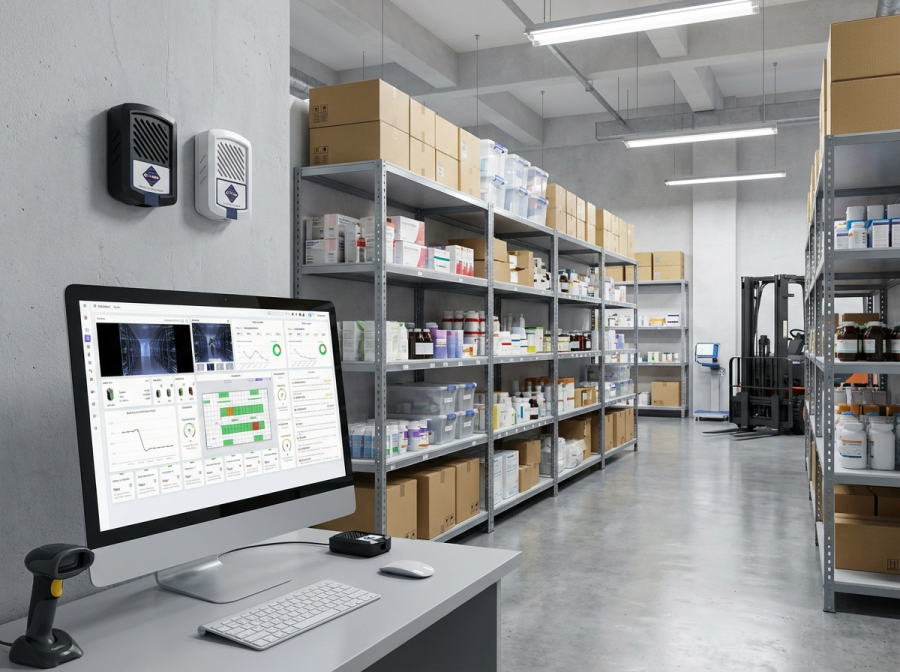
The chemical stability of pharmaceutical products depends directly on the environmental conditions they face from production to the moment they reach the patient. Active ingredients are formulated to stay effective within specific temperature and humidity ranges. A small deviation in storage conditions can damage a drug at the molecular level. A damaged drug loses therapeutic effect. In some cases, it can break down into toxic components and create serious risk for patient safety.
Environmental monitoring is not optional for pharmacies, hospital warehouses, and logistics centers. The Ministry of Health and international authorities define these processes as legal requirements. Drug safety does not depend only on the expiry date. Storage conditions are a core part of quality assurance. Manual thermometer checks do not meet current standards. Automated monitoring systems provide continuous and verifiable data without dependence on human action, and they have become the industry standard.
During a power outage, uninterruptible power supplies working in sync with environmental monitoring sensors help staff detect temperature rise as soon as cooling stops. This setup allows authorized personnel to act before values exceed critical thresholds.
When power fails, refrigerators and cold rooms lose thermal stability quickly. Insulation helps, but without active cooling the internal temperature rises fast. Minutes matter for biological products such as vaccines and insulin. Birtech environmental monitoring sensors track mains power and internal device temperature at the same time. When electricity cuts, the system sends an SMS and an email alert to the system administrator. Early alerts let staff check whether the generator activates.
Drug Storage Standards and Critical Values
What Should Warehouse Temperature and Humidity Be?
Most medicines are designed for storage at room temperature. In logistics, this term means a controlled range of 15°C to 25°C.
When a pharmaceutical warehouse exceeds 25°C, chemical reaction rates increase. The Arrhenius equation shows that each 10°C increase can roughly double the rate of chemical degradation. High temperature can damage the physical integrity of tablets. Suspensions can separate into phases. Active ingredient concentration can drop.
Humidity control matters as much as temperature control. Relative humidity in drug warehouses should not exceed about 60% to 65% RH. High humidity can deform cardboard packaging. It can stress blister pack barrier properties. It can cause tablets to absorb moisture and become sticky through hygroscopic behavior. Hydrolysis reactions accelerate in the presence of moisture. Aspirin can degrade quickly in humid conditions and convert to acetic acid.
Temperature does not distribute evenly inside a warehouse. The ceiling area can be 3°C to 5°C warmer than the floor level. Upper shelves and lower shelves can show major differences. Teams should run thermal mapping to identify the hottest and coldest points. Teams should place sensors at these critical points.
Pharmacy Environmental Humidity and Room Temperature
A pharmacy must keep public sales areas and back storage areas below 25°C on a continuous basis, and it must keep relative humidity at or below 65% to maintain stability across shelf life.
Retail pharmacies experience frequent temperature swings because doors open and close throughout the day. Sunlight through display windows can create local hot spots. Air conditioning often runs for comfort. Drug storage needs stability. When pharmacy temperature drops below 15°C, some syrups can crystallize.
Humidity tracking is critical, especially for products on open shelves. Mold and fungal spores multiply quickly when humidity rises above 70%. Microscopic mold growth on medicine boxes creates a patient safety risk. Humidity sensors should work with ventilation logic so the system can trigger the correct response.
Temperature of Rooms and Cabinets Used for Drug Storage (Cold Storage)
Biological products, vaccines, insulin, and some biotechnology drugs must stay within 2°C to 8°C from production to consumption to prevent protein denaturation.
Cold chain management requires zero tolerance for error. When temperature rises above 8°C, vaccine potency can drop in a way that cannot be reversed. An ineffective vaccine does not protect public health. Freezing creates an even bigger risk. When temperature falls to 0°C or lower, vaccines with adjuvants can lose structure. A frozen vaccine may look normal, but it can cause sterile abscess and fail to produce an immune response after administration.
Temperature distribution inside a refrigerator changes often. Temperature rises quickly when staff open the door. Teams should place sensors inside glycol or a similar liquid buffer. This method measures product simulated temperature rather than short air spikes during door activity. Household refrigerators cannot hold tight control due to hysteresis limits. Medical grade cabinets and professional monitoring systems are required.
What Temperature Should a Medical Waste Storage Room Have
Hospitals and healthcare facilities generate pathological and infectious waste. Facilities must keep this waste in temporary storage before transfer to a disposal site. Facilities should keep storage temperature at about plus 4°C to slow bacterial growth and reduce odor.
The Medical Waste Control Regulation defines storage duration based on temperature. Facilities can store waste for up to one week in cold rooms below plus 4°C. Facilities without cooling must not store waste longer than 48 hours. In summer, lack of temperature control lets pathogenic microorganisms multiply quickly.
Decomposition and gas formation can raise internal pressure in the storage area. An environmental monitoring system should report waste storage temperature continuously. If cooling fails, staff must dispatch waste immediately. Temperature records are part of the waste management plan, and facilities present them during audits by the Ministry of Environment and Urbanization.
24/7 Safety With Noctua Environmental Monitoring Software
Birtech automation solutions remove the human error risk that exists in manual record keeping. When temperature or humidity deviates, the system sends SMS and email alerts within seconds and helps prevent product loss.
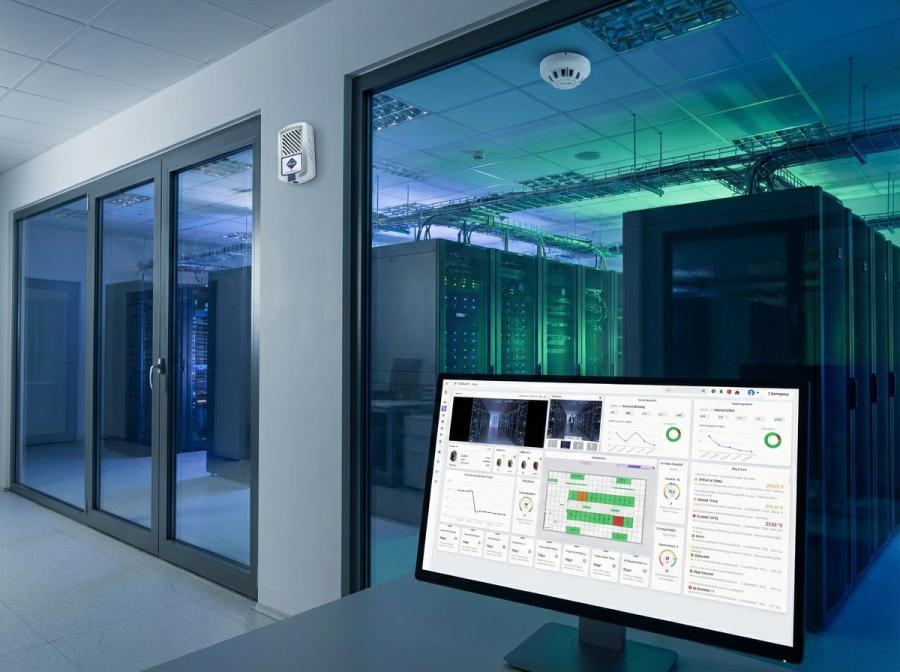
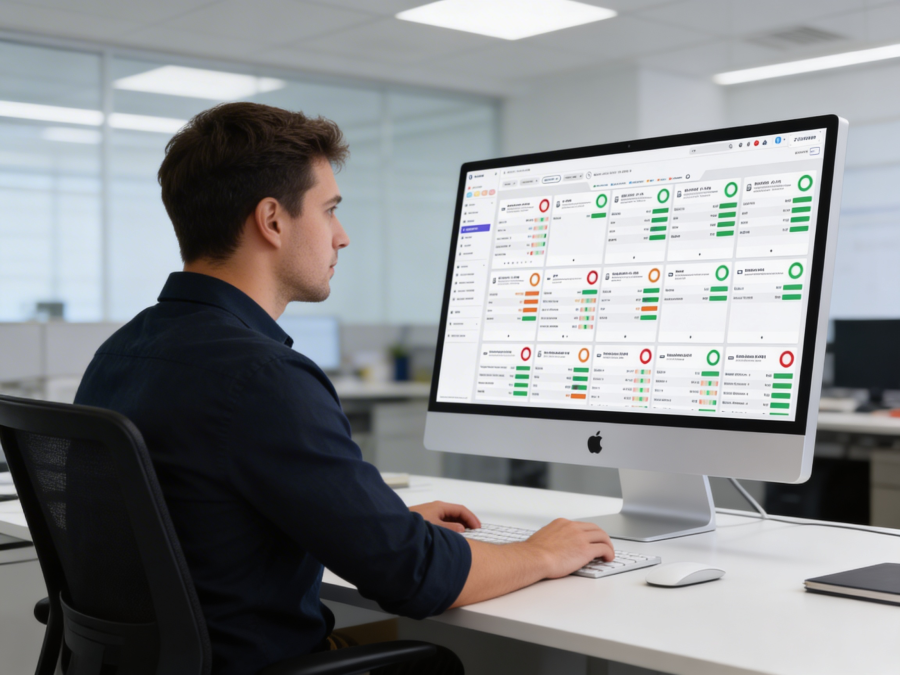
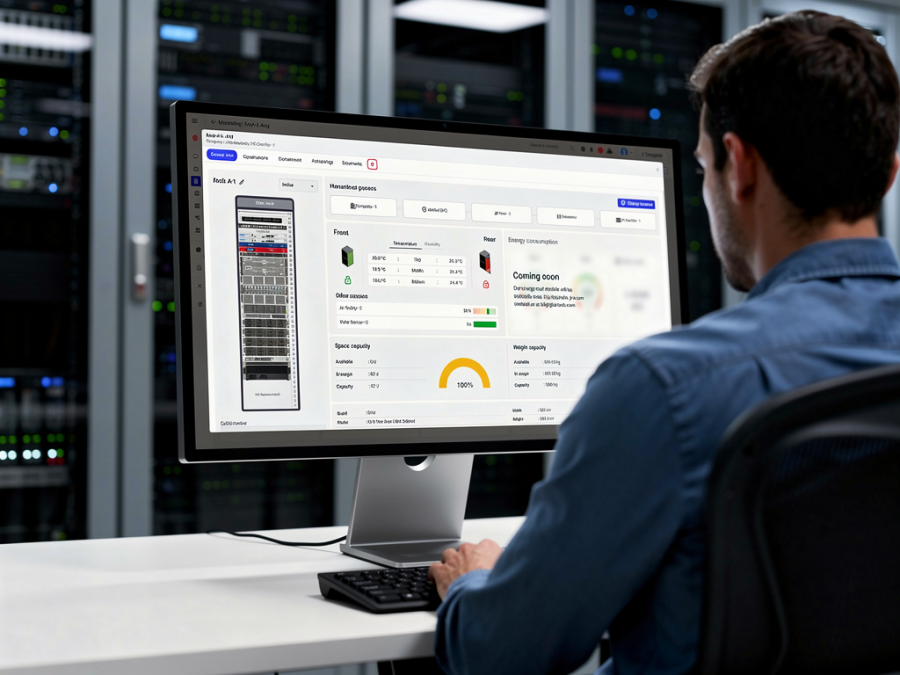
Traditional thermometers show only a single moment. Birtech sensors analyze data continuously. The system sends data to a central server through Wi Fi or GSM modules. Users monitor every cabinet in real time on a smartphone or computer. The system generates an alarm when readings exceed the defined lower and upper limits.
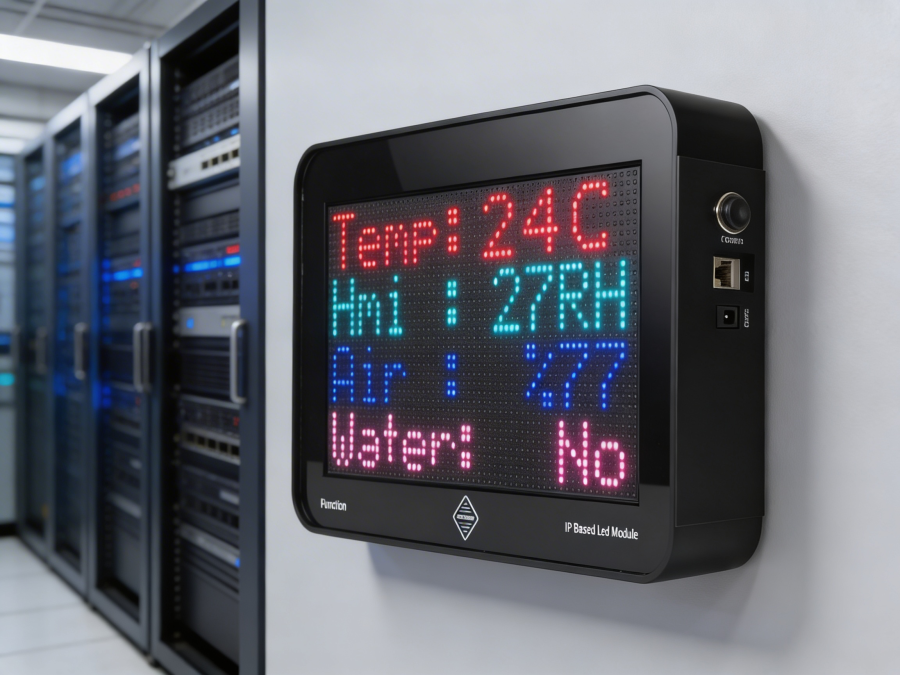
The alarm system works in stages. First, it triggers a local audible alert. If staff do not respond, it sends a digital notification to the relevant personnel. The reporting module provides detailed graphs in PDF and Excel formats. These reports serve as valid documents in official audits. Sensors with calibration certificates support measurement accuracy. The system stores data in encrypted form in the cloud and protects it against external interference.
The system can integrate with door sensors. If staff leave a cabinet door open, the system warns them before temperature rises. Energy analyzers track voltage fluctuations. This data can support earlier detection of device issues. Birtech solutions create proactive protection.
In conclusion
People measure pharmaceutical efficacy and safety at the moment the product reaches the patient, not at the production bench. Storage conditions act as a hidden variable that affects treatment success. Temperature and humidity control present a legal duty and an ethical duty as well. Environmental monitoring technology provides the most reliable way to meet that duty. Organizations reduce petient risk, prevent financial loss from product disposal, and protect reputation when they switch to digital monitoring systems. Safe medicine supports a safe future.