10 Features to Look Out for When Choosing Environmental Monitoring Software
10 July, 2026

Physical environments left unattended pose enormous operational risks for data centres. If servers overheat, their sensitive silicon components can melt within seconds. Uncontrolled humidity levels cause oxidation and short circuits on motherboards. Manual physical checks cannot detect sudden changes in the environment. Environment monitoring software acts as a digital shield that prevents hardware failures. IT managers need reliable software to protect infrastructure worth millions of dollars. To understand the fundamental concepts and protect your hardware infrastructure, answering the question ‘What is environment monitoring?’ in full technical detail is the first step in the process of selecting the right software. The right software detects potential disasters hours before they occur. It alerts the relevant teams before air-conditioning-related faults bring systems to a standstill. Traditional methods cannot keep up with the pace of modern data centres. Birtech brings together all the features needed to protect your critical infrastructure on a single platform.
Feature 1: Real-Time Data Streaming and Monitoring
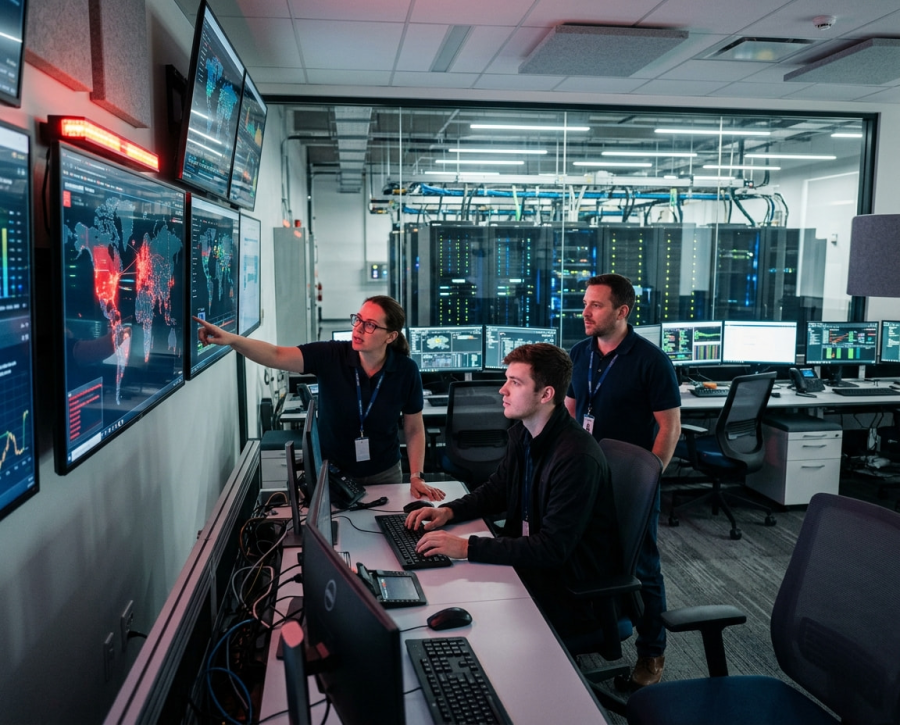
Delayed data is of no value in a critical IT environment. When a precision air-conditioning (CRAC) unit fails, the ambient temperature reaches critical levels within minutes. Sub-second polling intervals capture these critical changes. The software continuously polls all hardware sensors on the network. IT teams can see the exact physical status of the server room at a glance. A five-minute data delay would completely destroy the server processors. System administrators use real-time data to make immediate decisions on how to intervene.
Noctua’s environmental monitoring software processes massive data packets without any delay. Temperature and humidity monitoring data is recorded in the database in real time. Older-generation software updates the data only every five minutes, exposing organisations to significant risk. Modern data centre monitoring software responds within milliseconds. Hardware damage can only be prevented through real-time data streaming. Operators monitor temperature trends via live graphs. The system immediately highlights sensors approaching threshold values in red. Uluslararası standartlar fiziksel sınırlar çizer. Software that monitors thermal parameters and ASHRAE conditions ensures that equipment operates within the ideal ranges covered by the manufacturer’s warranty. A continuous data stream completely eliminates operational blind spots.
Feature 2: Brand-Independent, Agnostic Architecture (SNMP/Modbus Support)
Vendor lock-in traps companies within a single manufacturer’s expensive ecosystem. A successful system monitoring programme must read data from environmental monitoring hardware in real time. Standard industrial protocols such as SNMP and Modbus enable this universal communication. The software translates different device languages into a single, unified dashboard. IT managers are spared the need to purchase a separate software licence for each hardware brand.
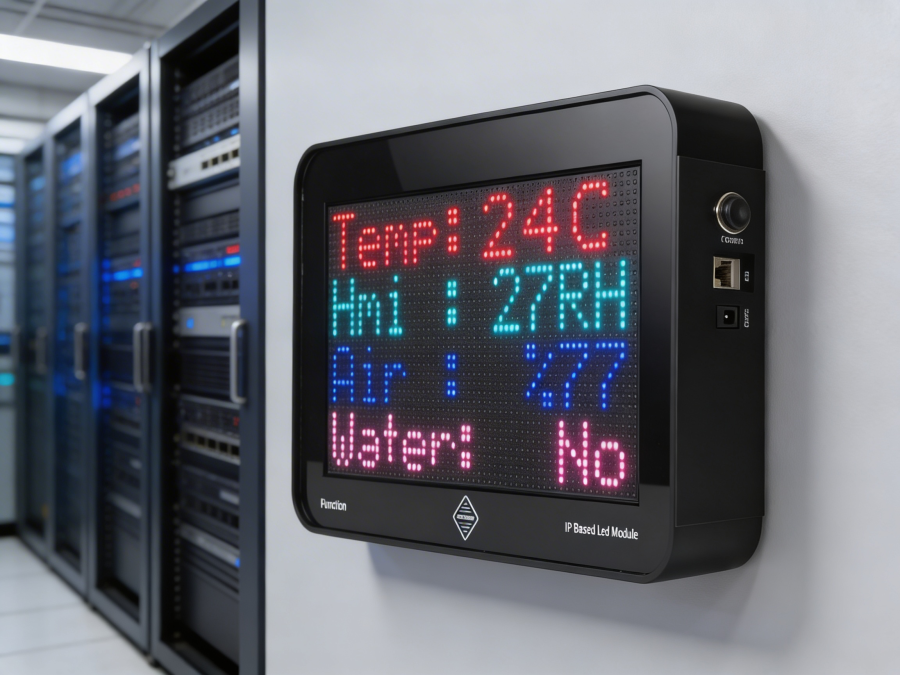
The Birtech platform seamlessly integrates sensors and generators supplied by third parties into the system. Facility managers monitor various sensors—such as five critical sensor types for the server room (temperature, humidity, flooding, smoke, air flow)—from a single central location. Sensor integration processes are accelerated thanks to a brand-independent architecture. High-precision Birsens environmental monitoring devices can be integrated into an IP network within seconds. When network administrators purchase a new Uninterruptible Power Supply (UPS), they continue to use their existing monitoring software. Hardware-agnostic software helps organisations keep their hardware procurement budgets in check. Devices from different manufacturers write data to the same central database. The system consolidates all this heterogeneous data into a single repository. Administrators manage the entire physical infrastructure from a single screen. Complex MIB (Management Information Base) files can be easily uploaded to the system.
Feature 3: Hierarchical and Threshold-Based Alarm Management
Constant, trivial notifications cause serious alarm fatigue amongst operators. Over time, operators learn to ignore critical alerts amidst the noise. Intelligent alert systems resolve alarm fatigue at its root. The software defines specific conditions for alerts based on time and thresholds. IT managers configure first-level alerts to send emails to the Helpdesk. Managers will configure the system so that third-level critical alerts are sent directly to the IT Director via SMS.
The system automatically escalates unacknowledged alarms to the next level. A successful and autonomous remote monitoring and notification management strategy implements this hierarchy flawlessly. The software filters out momentary electrical interference and temporary temperature fluctuations. Sustained temperature rises lasting five minutes or more trigger genuine alarms. Threshold-based logic rules prevent unnecessary alerts. Operators are alerted only in emergency situations. Messages sent to the right person at the right time resolve operational crises. Night-shift staff are alerted via voice call systems. The alarm management matrix is customised in line with the organisation’s communication plan.
Feature 4: Customisable Dashboard Interface
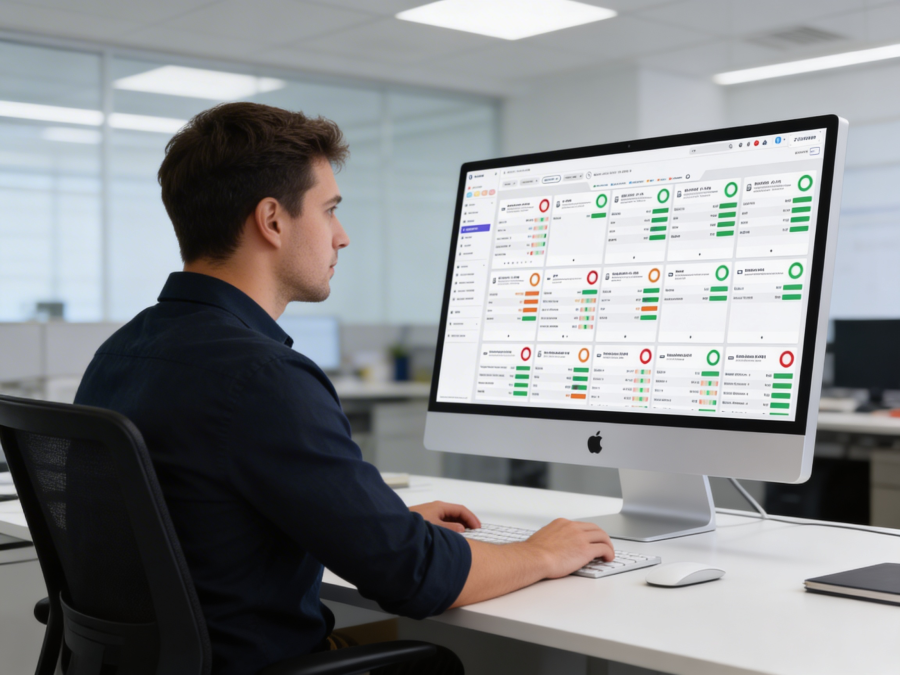
Visualising data accurately speeds up the decision-making process immensely. Inflexible, rigid interfaces slow operators down in times of crisis. Users require widget-based drag-and-drop screens. The software tailors the views to different user roles and departments. Network Operations Centre (NOC) teams examine technical sensor graphs in detail. Management teams view high-level compliance scores and uptime metrics.
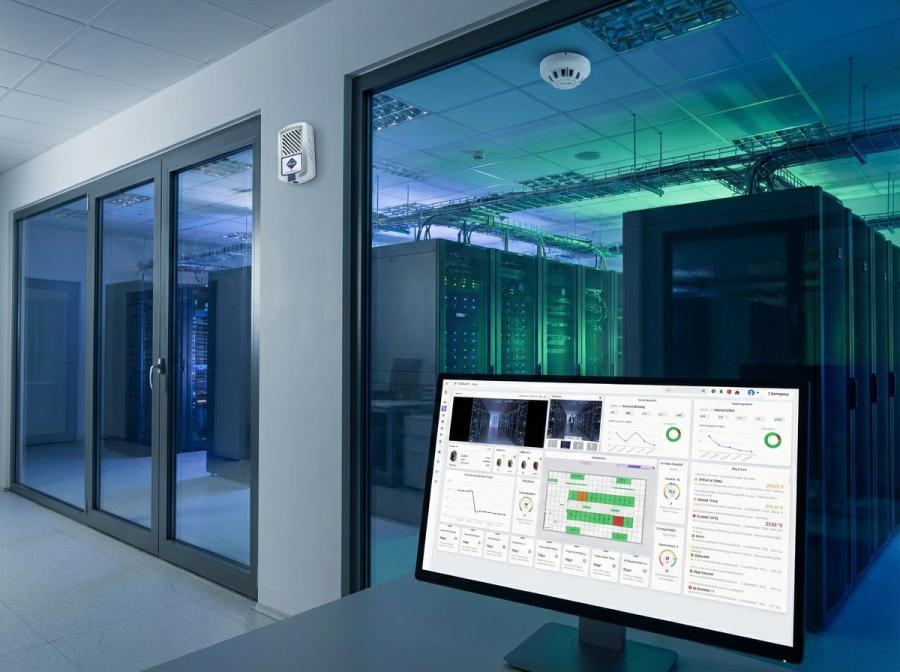
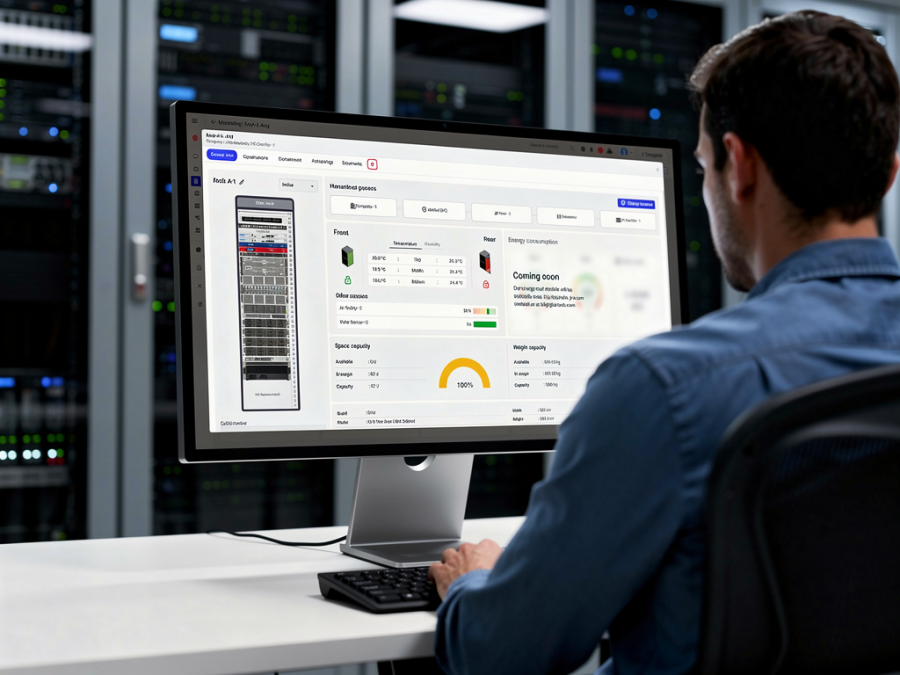
The advanced Noctua Monitoring & Conrolling Platform platform offers an extremely flexible control panel. SSystem administrators design their own screens to suit their day-to-day needs. Critical heatmaps are highlighted on the main screen. Complex data tables are transformed into easy-to-understand pie charts. The interfaces of Noctua’s modern management software (solution store) provide an at-a-glance summary of the data centre’s health status. The customisable structure directly improves operator efficiency. Operators can hide sensors they do not wish to see from the screen. The floor plan of the relevant location is uploaded to the system. Sensors are placed directly onto this floor plan. The map-based view enables operators to reach the target immediately in the event of a crisis.
Feature 5: Advanced Logging (Audit Trail) and Historical Data Analysis
International compliance standards require companies to maintain meticulous records. ISO 27001 certification requires rigorous environmental safety records. The software securely stores historical data spanning several years. Retrospective graphs help to identify gradual deterioration in cooling units. A graph showing a gradual rise in temperature over a six-month period indicates a faulty compressor. IT teams use this data for predictive maintenance applications.
Birtech sensors securely log every reading. Analysis of historical data reveals chronic infrastructure issues. Auditors verify organisational compliance by reviewing system logs. Advanced logging features protect companies from legal sanctions. Historical data shapes future capacity planning investments. All environmental parameters are stored in a digital archive in a tamper-proof format. With a transparent centralised management, authorisation, monitoring and controlling solution, every adjustment made to the system is logged. It is possible to track, second by second, which manager changed the alarm threshold.
Feature 6: Offline Data Logging Capability (Data Logger)
Network outages sever the connection between environmental monitoring modules and the central server. Traditional software loses this critical environmental data permanently when the connection is lost. Advanced hardware and software architectures utilise the local device memory. Industrial modules feature built-in data logger hardware. The device records sensor measurements to its local memory in the event of a network failure. When the connection is re-established, memory synchronisation from the hardware to the software begins automatically.
The software seamlessly fills in any gaps in the timeline. Birtech ensures absolute data continuity. The offline recording capability reduces data loss to zero. Once network issues have been resolved, all historical data is securely transferred to the central server. With the Environment monitoring modules provided, users are not affected by local network outages. Monitoring processes are free from blind spots. On-board memory modules prove vital during communication failures. Historical reports remain complete at all times. Organisations do not fail audits due to connectivity issues.
Feature 7: Scalability and Multi-Location Support
Businesses are constantly expanding their physical footprint in line with market conditions. The software must manage 10 sensors in a small server room flawlessly. The system must also manage 10,000 sensors across 50 different cities without any issues. Cloud-based or distributed on-premises database architectures support this massive scale. Facility operators monitor a global network from a single management dashboard.
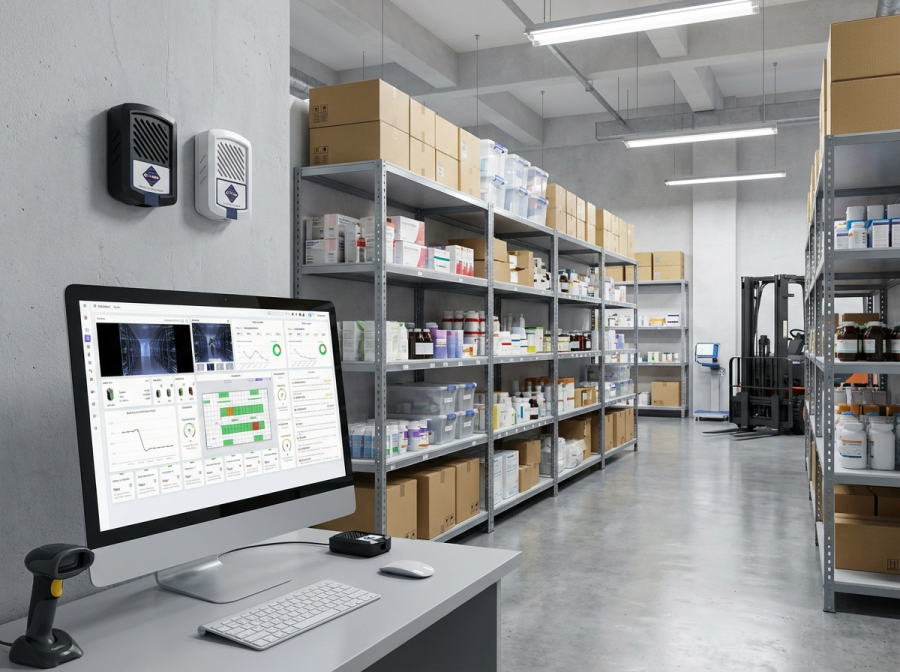
Centralised management software integrates remote locations into a single logical structure. The role of Environmental monitoring software in high-value-added pharmaceutical warehouses demonstrates the importance of this distributed architecture. Optimising distributed networks prevents energy wastage. Ensuring that systems operate at the correct cooling efficiency contributes directly to sustainable data centre and Green IT objectives. Network monitoring tools process thousands of data points simultaneously. When a company opens a new branch, the system scales up instantly. Businesses do not need to change their software or hardware as they grow. The database architecture easily handles high volumes of sensor traffic. The system optimises CPU and RAM usage. Managers can compare performance across branches with a single click.
Feature 8: API Support and Third-Party (ITSM) Integrations
Isolated, standalone monitoring systems prolong the response time for IT teams when dealing with incidents. The software must establish two-way communication with IT Service Management (ITSM) tools. API integration bridges this hardware and software gap. When a physical temperature threshold is exceeded, the software automatically creates a ticket on platforms such as Jira or ServiceNow. The automatic ticket creation mechanism eliminates human-induced delays.
BT Teams manage physical alerts via existing digital workflows. Birtech offers a comprehensive set of REST API endpoints. Inter-system communication saves valuable minutes during crises. Operators do not have to switch between different screens. API webhooks enable real-time data transfer. In emergencies, instant alerts are sent to Slack or Microsoft Teams channels. Business processes become fully automated. Third-party software integrations enhance the organisation’s technological maturity.
Feature 9: User Authorisation and Security Layers
Unauthorised users altering critical alarm thresholds jeopardises the security of the entire facility. The software must strictly restrict system access according to staff roles. The Role-Based Access Control (RBAC) mechanism resolves this security vulnerability. Authorised network administrators configure the alarm rules. Users with read-only access can only view the control panel. The system logs every user action second by second.
The Birtech platform protects the configuration environment with enterprise-level data security. Security layers prevent sabotage from within or accidental errors. System administrators can easily define the authorisation matrix via Active Directory or LDAP. Encryption algorithms ensure data security on the local network. User activity is monitored transparently. IT directors have full and precise control over the platform. Access requests from unauthorised IP addresses are automatically rejected.
Feature 10: Easy Installation and Plug-and-Play Architecture
Manually configuring the IP addresses of hundreds of hardware sensors wastes valuable engineering time. The speed at which the system is commissioned determines the return on investment (ROI). A modern system instantly detects sensors on the network using the auto-discovery feature. The software places devices on the topology map without the need for complex coding. IT teams can bring the entire monitoring network online in a matter of hours rather than months.
The Birtech hardware ecosystem provides true plug-and-play functionality. As soon as operators connect the sensors to the network, data begins flowing to the central platform. Installation costs are significantly reduced. Device recognition algorithms completely eliminate human error. Adding a new sensor to the existing network takes just a few minutes. The system infrastructure supports rapid business growth. Operators do not have to deal with complex network protocols. Devices register securely with the software using their own MAC addresses. System updates are sent wirelessly (OTA) to all sensors from a single central location.
Software Selection Criteria Comparison Table
Making the Right Decision on Data Centre Security
Choosing the right software saves organisations millions of dollars in potential downtime costs. The ten critical features we have examined transform reactive device maintenance into proactive data centre protection. Environment monitoring tools form the heart of the physical IT infrastructure. Without the right software, even the most expensive sensor hardware becomes useless.
Birtech offers the ten critical features mentioned as a built-in standard. Integrate Birtech’s environmental monitoring solutions into your infrastructure today to protect your systems from physical risks and ensure uninterrupted operations. High-security and sustainable infrastructure management is shaped by the right software choice.